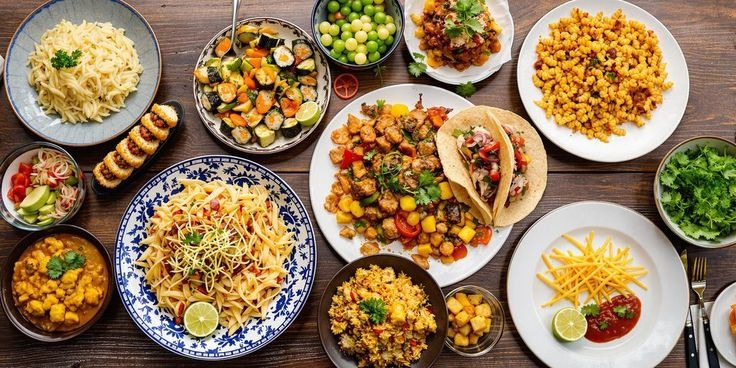
Grocery shopping affects what people cook, how much they spend, and how much food eventually gets wasted. bestmenuideas.com can help home cooks find practical inspiration for turning ordinary ingredients into useful meals throughout the week. Shopping without a plan often leads to duplicate purchases, forgotten vegetables, and cupboards filled with products nobody remembers buying. On the other hand, planning every single meal too strictly can become tiring when schedules suddenly change. A flexible shopping routine offers a better balance between organization and everyday convenience.
Check Your Kitchen First
Before leaving home, spend a few minutes checking the refrigerator, freezer, and cupboards. Look for ingredients that need using soon, along with basic supplies that are running low. A packet of lentils might already cover one dinner, while leftover vegetables could become the base for another meal. Checking first prevents unnecessary purchases and makes it easier to create a realistic shopping list.
Pay attention to quantities rather than simply noticing whether an ingredient exists. Having one onion does not necessarily mean you have enough for several planned dishes. Check package sizes, expiration information, and the condition of fresh produce. Move older suitable items toward the front so they are easier to notice. This simple arrangement can prevent forgotten ingredients from remaining unused until they spoil.
Plan Meals With Flexibility
A shopping plan works best when it includes enough structure to guide purchases without controlling every meal. Decide on several main dishes and choose ingredients that can serve more than one purpose. Tomatoes may work in a curry, soup, pasta sauce, or sandwich filling, depending on the other ingredients available. Eggs can support breakfast, quick lunches, or simple dinners when they fit the household’s preferences. Shared ingredients help reduce the number of separate products needed.
Leave one or two meals flexible for unexpected situations. If everyone comes home late, a quick egg dish or leftover soup may be more practical than the meal originally planned. This does not mean abandoning the shopping list. It means recognizing that everyday life rarely follows an exact schedule. A flexible plan reduces pressure while still helping the household make thoughtful food choices.
Compare Prices Properly
The cheapest package is not always the best purchase because quantity, quality, and expected use also matter. Compare the price per kilogram, litre, or other standard unit when package sizes differ. A larger container may offer better value, but only when the household can finish it before the product loses quality. Buying extra food simply because the price looks attractive can create unnecessary waste.
Consider the cost of preparing a meal rather than judging every ingredient separately. A modest quantity of fresh vegetables may cost more per kilogram than another option, yet it could make several meals more nutritious and enjoyable. Frozen vegetables can sometimes provide better convenience and reduce spoilage. Local seasonal produce may also offer good value, depending on availability. Compare the realistic options in your area rather than following a fixed rule about which foods are always cheapest.
Choose Produce With Care
Fresh produce deserves attention because its condition affects both cooking quality and storage life. Look for vegetables and fruits that are appropriate for their intended use, rather than selecting every item based only on appearance. Minor surface marks do not always indicate spoilage, but soft damaged areas, mold, unusual odors, and leaking produce require caution. Choose sturdy ingredients for longer storage and more delicate items for meals planned sooner.
Do not automatically buy the largest possible quantity of every fresh ingredient. A household that eats salad daily may use several cucumbers quickly, while another household might need only one or two. Consider how much preparation the produce requires and whether anyone will realistically cook it. Washing and storing ingredients properly after shopping helps preserve quality. Keep produce that needs refrigeration cold, and follow storage recommendations for individual varieties.
Keep Pantry Staples Ready
A useful pantry makes it easier to prepare meals without visiting the shop for every missing ingredient. Common staples might include rice, oats, pasta, lentils, beans, flour, cooking oil, and familiar dried seasonings. The right selection depends on the household’s cooking style and dietary requirements. There is no benefit in keeping ingredients that rarely appear in actual meals, even when they seem essential in someone else’s kitchen.
Store dry ingredients in clean, dry containers that protect them from moisture and pests. Label containers when the contents are difficult to identify, and write down purchase dates when useful. Rotate supplies by using older suitable products first while checking their condition and package information. Keep pantry shelves away from excessive heat and humidity. These habits help preserve quality and make it easier to notice when supplies genuinely need replacing.
Understand Frozen Food Options
Frozen foods can make grocery shopping more flexible because many ingredients remain available regardless of seasonal changes. Frozen peas, spinach, mixed vegetables, and fruit can be useful for quick meals when fresh produce is unavailable or inconvenient. Their nutritional value varies by product and processing, but freezing can preserve many nutrients. Read the package instructions and choose products that suit the intended recipe.
Avoid assuming that frozen food is automatically safe simply because it remains cold. Keep products frozen during storage, follow thawing instructions, and avoid leaving them at room temperature for extended periods. Some vegetables can be cooked directly from frozen, while other ingredients require thawing before preparation. Refreezing depends on how the food was thawed and handled, so follow reliable food safety guidance. Proper handling helps retain quality and reduces unnecessary risk.
Read Labels Before Buying
Food labels provide information that can help shoppers compare products more carefully. Check ingredient lists, serving sizes, allergen statements, and nutrition information when these details matter to your household. Two products with similar packaging may contain different amounts of added sugar, sodium, fat, or other ingredients. Marketing terms alone do not tell the full story, so take a moment to examine the information printed on the package.
Pay attention to storage instructions and dates as well. A product may need refrigeration after opening even when it was stored at room temperature in the shop. Some date labels concern quality, while others relate more directly to safety, depending on the product and local regulations. When the meaning is unclear, follow the manufacturer’s instructions and applicable local guidance. Do not taste suspicious food to determine whether it remains safe.
Avoid Unplanned Purchases
Unplanned purchases can increase grocery costs when attractive packaging or temporary offers influence decisions. Before adding an item to the basket, consider whether it fits a planned meal or fills a genuine household need. Buying a new sauce may be reasonable if it will be used several times, but purchasing five unfamiliar condiments rarely improves everyday cooking. Keep room for occasional treats without allowing them to replace the ingredients needed for regular meals.
Shopping when hungry can make unnecessary purchases more tempting for some people. Having a list and checking it as you move through the shop provides a simple way to stay focused. You can still change your mind when a useful ingredient is fresh or reasonably priced. The important point is making a conscious choice instead of automatically reacting to every offer. A small amount of attention can improve the entire shopping routine.
Store Groceries After Shopping
Food storage begins as soon as the shopping trip ends. Put refrigerated and frozen products away promptly, especially when the weather is hot or the journey takes longer than expected. Keep raw meat and seafood separated from ready-to-eat foods to reduce the risk of cross-contamination. Use clean containers and follow the recommended storage conditions for each ingredient. Do not leave perishable groceries in a warm vehicle while completing unrelated errands.
Arrange the refrigerator so that items are easy to see and older suitable products are used first. Avoid overcrowding shelves because air circulation helps maintain consistent cooling. Store raw animal products in suitable leakproof containers below ready-to-eat foods. Check the refrigerator temperature regularly and clean spills promptly. These practices may seem basic, but they help protect food quality and make meal preparation more predictable.
Conclusion
Better grocery shopping depends on knowing what you already have, planning realistic meals, comparing prices, and storing ingredients correctly. Start with a short kitchen check, prepare a flexible shopping list, and buy quantities that your household can genuinely use. Read labels carefully, make sensible choices about frozen products, and avoid treating every discount as an opportunity. A few consistent habits can reduce waste and make daily cooking much easier. Explore bestmenuideas.com for more useful food inspiration, discover meal ideas that fit your shopping routine, and put your next grocery list together with greater confidence.
Read also :-