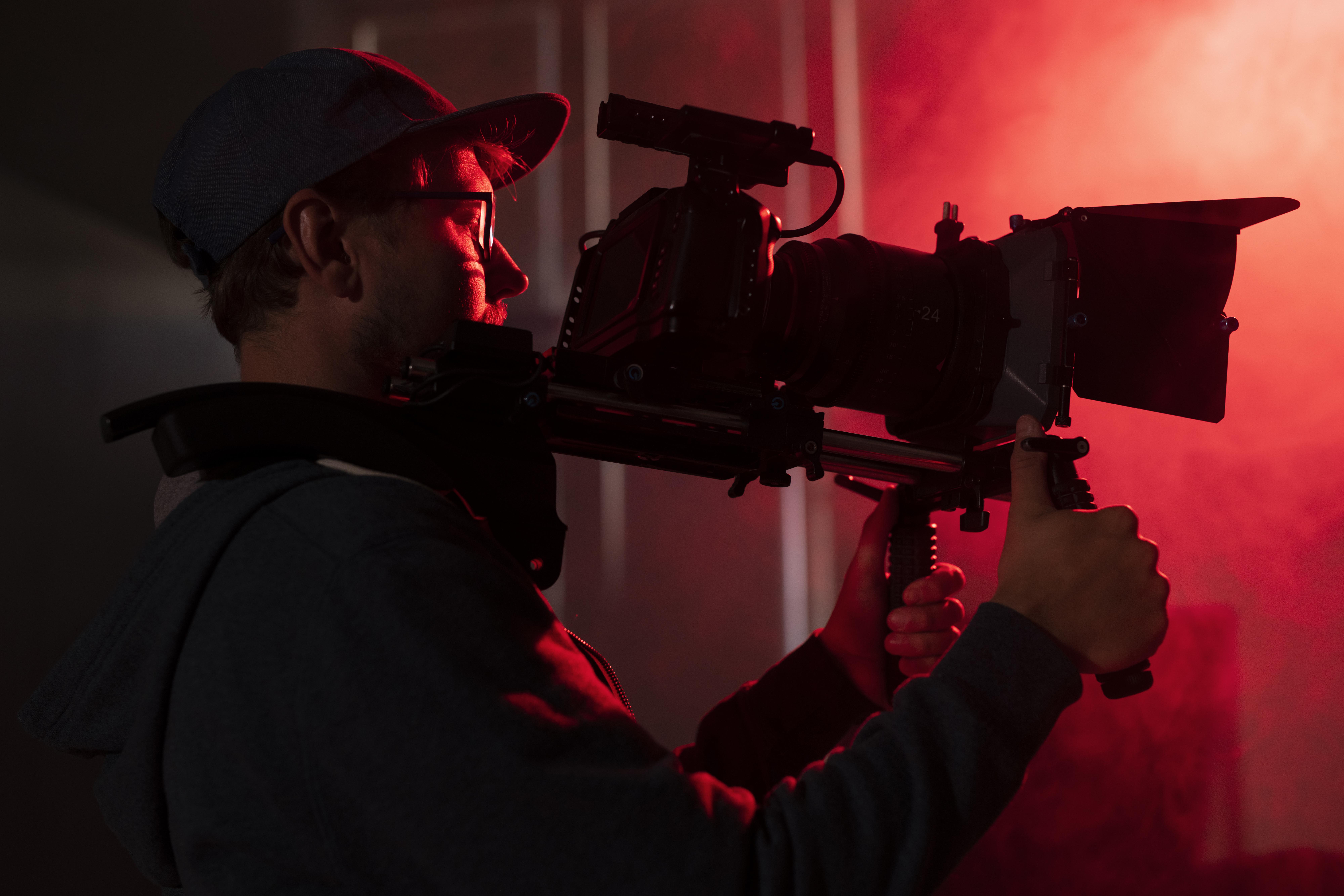
Filming in Seoul has become increasingly attractive for global brands, production houses, and agencies. The city offers a mix of futuristic architecture, dense urban landscapes, and culturally rich locations. But here’s the reality most people don’t want to hear:
Seoul is not cheap if you don’t know what you’re doing.
And most budget problems don’t come from obvious costs they come from miscalculations during planning. That’s exactly why working with a pre-production agency in Seoul is not just helpful it’s financially strategic.
The Illusion of “Affordable Asia”
A common assumption is that filming in Asia is cheaper than Europe or the U.S. That might be true in some regions but Seoul is not one of them.
South Korea is:
- Highly developed
- Technologically advanced
- Logistically efficient
And that means:
- Skilled crew costs are competitive
- Equipment is top-tier (and priced accordingly)
- Permits and locations vary widely in cost
Without proper planning, your “affordable shoot” quickly turns into a budget headache.
Where Budgets Actually Break
Let’s break down where international productions usually go wrong.
1. Location Costs
Not all locations are equal. Public spaces, commercial properties, and private venues all come with different approval processes and fees.
Without local negotiation:
- You overpay
- You get restricted access
- You lose flexibility
A pre-production agency in Seoul knows which locations are worth the cost—and which aren’t.
2. Permits and Legal Requirements
Filming permits in Seoul aren’t always straightforward. Requirements can vary depending on:
- District
- Type of shoot
- Equipment used
Mistakes here can lead to:
- Delays
- Fines
- Last-minute cancellations
This is where a multilingual production company in Seoul becomes critical because legal communication must be precise.
3. Crew Costs
Seoul has a highly skilled production workforce. That’s a strength—but it comes with cost.
If you don’t understand:
- Standard rates
- Union expectations (where applicable)
- Role definitions
You either:
- Overpay
- Hire the wrong people
Or worse both.
4. Equipment and Logistics
Equipment rental in Seoul is efficient but requires coordination.
Common issues include:
- Availability mismatches
- Delivery timing problems
- Technical miscommunication
A multilingual production company in Seoul ensures that equipment specs are clearly understood across all teams.
The Cost of Miscommunication
This is where most budgets quietly collapse.
Example:
- A director asks for a specific lighting setup
- The request gets partially misunderstood
- The wrong gear arrives
Now you’re dealing with:
- Delays
- Re-rentals
- Extra labor costs
Multiply that across multiple departments, and your budget is gone.
This is exactly why language alignment through a multilingual production company in Seoul is not optional.
Time = Money (More Than You Think)
Seoul’s production pace is fast. If your schedule slips:
- Crew overtime kicks in
- Location windows shrink
- Logistics costs increase
Delays are expensive.
A pre-production agency in Seoul minimizes these risks by building realistic schedules based on local conditions not assumptions.
Hidden Costs You Probably Didn’t Consider
Let’s be honest most first-time productions miss these:
- Transportation coordination across dense urban areas
- Weather-related contingencies
- Backup equipment planning
- Local vendor reliability
Each one seems small until it isn’t.
How Smart Productions Control Costs
The difference between a controlled budget and a chaotic one comes down to preparation.
A strong pre-production agency in Seoul will:
- Lock in accurate cost estimates early
- Build contingency buffers
- Optimize location and crew choices
- Prevent avoidable mistakes
This isn’t about saving pennies it’s about avoiding expensive errors.
The Bottom Line
Filming in Seoul can deliver incredible results—but only if you respect the complexity behind it.
If you try to “figure it out as you go,” your budget will suffer.
Working with a pre-production agency in Seoul and a multilingual production company in Seoul is not an added cost it’s what protects your investment.