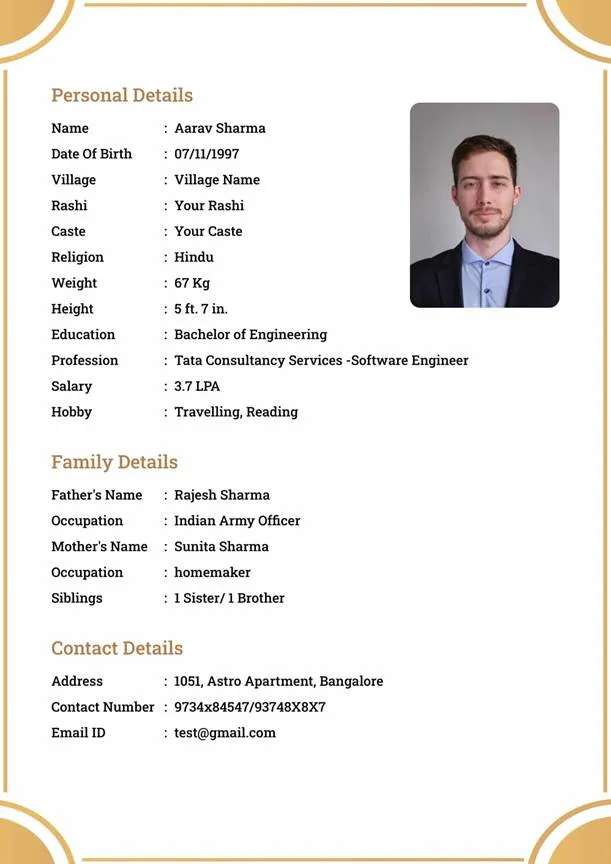
In today’s modern matchmaking world, a wedding biodata is more than just a document filled with personal details—it is your introduction, your personality snapshot, and often the very first impression a family gets before deciding to move forward. A well-prepared biodata can open doors to meaningful conversations, while a poorly structured one may get ignored without a second thought.
Whether you are preparing for an arranged marriage or simply updating your profile for better clarity, learning how to create a clean, attractive, and well-organized biodata is essential. This guide will walk you through everything step by step in a simple and human way so you can confidently build your own.
Platforms like createmybiodata make this process easier by helping you design structured and visually appealing biodata formats without any confusion.
What Is a Wedding Biodata?
A wedding biodata is a structured profile that includes your personal, educational, professional, and family details in a clear format for marriage proposals. Think of it as a personal introduction sheet that helps families understand who you are beyond just your name.
Unlike a resume that focuses on jobs, a biodata focuses on your life, personality, values, and background. It helps create a bridge between two families who are exploring compatibility.
A good biodata usually answers:
-
Who are you?
-
What do you do?
-
What is your family background?
-
What kind of partner are you looking for?
When presented correctly, it builds trust and creates a strong first impression.
Why a Well-Prepared Biodata Matters
In arranged marriage systems, biodata is often the first step in shortlisting a potential match. Before any meeting happens, families carefully review the biodata to understand compatibility.
A strong biodata helps you:
-
Present yourself clearly and confidently
-
Highlight important personal and professional details
-
Create trust with the other family
-
Increase your chances of getting positive responses
A poorly structured biodata, on the other hand, can make even strong profiles look incomplete or unclear. That’s why presentation and clarity matter just as much as information.
Using tools like createmybiodata ensures your profile looks organized, balanced, and easy to read.
Step-by-Step Guide: How to Make a Biodata
Creating a wedding biodata becomes easy when you follow a proper structure. Let’s break it down into simple steps.
1. Start with Personal Information
This is the opening section of your biodata and should immediately introduce who you are.
Include:
-
Full name
-
Age or date of birth
-
Height (optional but commonly added)
-
Religion or cultural background (if relevant)
-
Current location (city and country)
Keep this section clean and short. Avoid unnecessary details or long explanations.
This part sets the foundation of your biodata, so clarity is important.
2. Educational Background
Education plays a key role in marriage decisions because it reflects discipline, knowledge, and future potential.
Include:
-
Highest qualification
-
Name of school, college, or university
-
Field of study
-
Additional certifications (if any)
This section should be structured in a simple format. You don’t need to explain your entire academic journey—just the highlights are enough.
3. Professional and Career Details
Your profession gives insight into your lifestyle, stability, and future goals.
Include:
-
Job title or profession
-
Company or industry (optional)
-
Work location
-
Experience level
Try to keep it simple and avoid technical descriptions. The goal is clarity, not complexity.
Even if you are running a business or working independently, just present it in a clean and understandable way.
4. Family Background
Family is a very important part of wedding biodata, especially in traditional matchmaking systems. This section helps build trust between both families.
Include:
-
Father’s occupation
-
Mother’s occupation
-
Siblings and their professions
-
Family structure (joint or nuclear)
Keep the tone respectful and straightforward. This section is not about storytelling—it is about giving a clear picture of your background.
5. Personality and Lifestyle
This is the section where your biodata becomes more human and relatable. It gives a glimpse of who you are beyond numbers and qualifications.
You can include:
-
Hobbies like reading, traveling, cooking, or sports
-
Personality traits like calm, friendly, responsible, or ambitious
-
Lifestyle preferences such as fitness habits or daily routine
This part should feel natural and honest. Avoid trying to sound “perfect”—authenticity always leaves a better impression.
6. Partner Preferences
This section helps define what kind of life partner you are looking for. It is optional but very useful.
Include:
-
Age range preference
-
Educational or professional expectations
-
Personality or lifestyle compatibility
-
Values that matter to you
Keep it respectful and realistic. This section is not about restrictions but about clarity in expectations.
7. Adding a Photograph
A clear and professional photograph can make your biodata more personal and engaging. While it is optional in some cases, it often helps create a stronger connection.
Choose:
-
A simple, well-lit photo
-
Formal or semi-formal attire
-
A natural expression
Avoid overly edited or casual images. The goal is to look presentable and genuine.
8. Formatting and Presentation
Even the best information can lose impact if the presentation is messy. A clean format makes your biodata easy to read and visually appealing.
Here are a few simple presentation tips:
-
Use clear headings for each section
-
Keep spacing consistent
-
Avoid long paragraphs
-
Maintain a one or two-page length
A well-structured layout ensures that the reader can quickly find important details without confusion. This is where platforms like createmybiodata become especially helpful, as they provide ready-made structured formats.
Common Mistakes to Avoid
Many people unknowingly weaken their biodata by making small but important mistakes. Avoid the following:
-
Adding too much unnecessary information
-
Leaving important sections incomplete
-
Using unclear or unprofessional photos
-
Writing in long paragraphs without structure
-
Including false or exaggerated details
Remember, simplicity and honesty always create a stronger impression than over-designed or complicated biodata.
Tips for Making Your Biodata More Effective
A strong biodata is not about adding more information—it is about presenting the right information in the right way.
Keep these points in mind:
-
Be honest and accurate in all details
-
Keep language simple and clear
-
Focus on structure and readability
-
Highlight key information without overloading
-
Maintain a balanced tone between personal and professional details
When your biodata feels natural and easy to read, it automatically becomes more appealing.
The Shift Toward Digital Biodata
Today, traditional printed biodata is being replaced by digital formats. Families now prefer sharing profiles through WhatsApp, email, and online platforms because it is faster and more convenient.
Digital biodata offers several advantages:
-
Easy to update anytime
-
Quick sharing with multiple families
-
Better design and presentation options
-
Cleaner and more professional look
With createmybiodata, users can create digital biodata in a structured format that looks modern, organized, and easy to share across devices.
Final Thoughts
Creating a wedding biodata is not just about listing information—it is about presenting yourself in a clear, honest, and respectful way. It is the first step toward building a meaningful connection between two families, and sometimes, it becomes the beginning of a lifelong journey.
From personal details to professional background and lifestyle preferences, every section plays an important role in shaping the overall impression. A well-prepared biodata shows confidence, clarity, and sincerity.
With simple structure, honest information, and a clean presentation, you can create a biodata that truly represents you. Platforms like createmybiodata make this process even easier by helping you design professional and attractive biodata without any complexity.